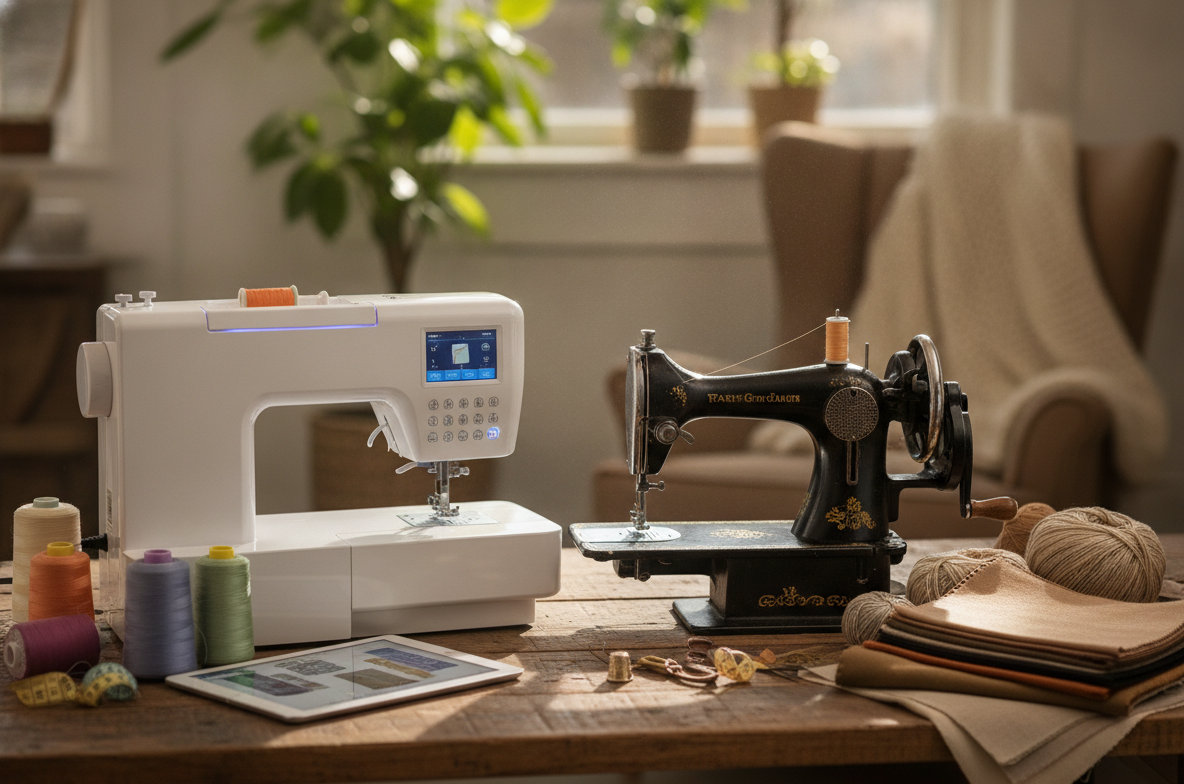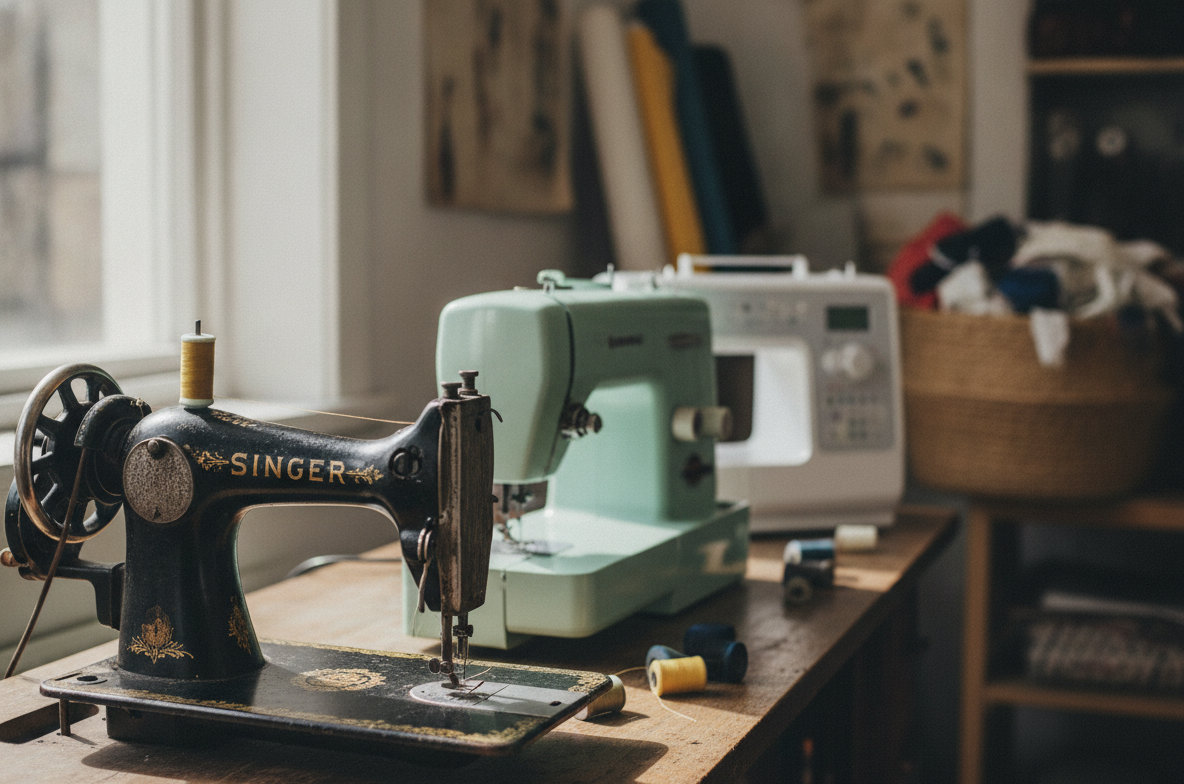
The lifespan of a sewing machine varies significantly, often ranging from 5 to over 40 years depending on its type, construction quality, and owner maintenance. Mechanical sewing machines, with fewer electronic components, typically offer the longest lifespans, frequently exceeding 20 years. In contrast, computerized models, sergers, and embroidery machines have more complex electronics and moving parts, which can lead to shorter functional lives, often between 5 and 15 years. Regular cleaning, proper lubrication, and careful operation are the most impactful actions a user can take to extend any machine's service life.
Understanding Sewing Machine Lifespan by Type
Different types of sewing machines are built with varying levels of complexity and component durability, directly impacting their expected lifespan. Understanding these distinctions helps set realistic expectations for your investment.
Mechanical Sewing Machines
Mechanical sewing machines are renowned for their durability and longevity. Many models from the 1960s, 70s, and 80s are still fully functional today, a testament to their robust, all-metal construction and minimal electronic parts. These machines rely on gears, cams, and levers for stitch formation and function selection. With proper care, including regular cleaning and oiling, a quality mechanical sewing machine can easily last 20 to 40 years, or even longer. For example, a vintage Singer Featherweight 221, first introduced in the 1930s, is still highly sought after and performs reliably today, nearly a century later. Their simpler design means fewer points of failure and easier, more affordable repairs when issues do arise.
Computerized Sewing Machines
Computerized sewing machines offer a wider range of stitches, automated functions, and often touchscreens, but their electronic components introduce potential points of failure that mechanical machines do not have. The lifespan of a computerized machine typically falls between 5 and 15 years. Circuit boards, sensors, and stepper motors are susceptible to power surges, dust accumulation, and eventual obsolescence. While a modern computerized machine provides convenience and advanced features, its digital nature means that parts may become unavailable after a decade or so, making repairs challenging. A Brother CS6000i, a popular entry-level computerized machine, provides excellent features for its price but its electronic display and controls are less likely to last as long as the all-metal internals of a vintage mechanical model.
For more insights into the differences, consider reading Computerized vs Mechanical Sewing Machine: Which to Buy.
Sergers (Overlock Machines)
Sergers, or overlock machines, operate at very high speeds, often 1,300 to 1,500 stitches per minute, and have multiple loopers and knives working in conjunction. This high-speed, complex operation places more stress on their internal components compared to a standard sewing machine. A well maintained serger can last 10 to 20 years. Machines with heavy duty metal frames and robust motors tend to endure longer. Regular cleaning to remove lint, which accumulates rapidly due to the cutting action, and proper lubrication are absolutely necessary to prevent premature wear. Ignoring maintenance on a serger will significantly reduce its lifespan, potentially to less than 5 years.
Embroidery Machines
Embroidery machines, especially combined sewing and embroidery models, are highly complex. They feature advanced electronics, specialized motors for hoop movement, and sophisticated software. Their lifespan is generally in the range of 5 to 15 years. The precise movements required for embroidery, coupled with the intricate electronics, make these machines more susceptible to wear and technical obsolescence. Software updates, driver compatibility, and the availability of replacement circuit boards can all affect how long an embroidery machine remains usable. For instance, a Brother SE700 embroidery machine, while capable, relies on its electronic interface and motor precision, which are typically the first components to show age or fail. Issues like thread breaking or bobbin problems can sometimes indicate underlying mechanical or electronic wear if not quickly resolved with basic troubleshooting.
Craft Cutting Machines (Cricut, Silhouette)
Craft cutting machines, such as those from Cricut and Silhouette, operate differently from sewing machines but also have an expected lifespan. These machines use precision motors, rollers, and blades to cut various materials. Their typical lifespan is between 3 and 7 years. The cutting mat, which is a consumable, needs regular replacement. The internal motors and belts can wear out, especially with heavy use. Dust from cutting materials like cardstock or vinyl can also accumulate internally and affect performance. Machines used for extensive production work will likely reach the end of their functional life sooner than those used for occasional hobby projects. For example, a Cricut Explore Air 2 or Maker, when used several times a week, might start exhibiting issues with calibration or motor noise after 4-5 years. Regular cleaning of rollers and monitoring blade sharpness can help extend their life.
Key Factors Influencing Machine Longevity
Beyond the machine type, several other critical factors determine how long a sewing machine will perform reliably. These elements are often within the user's control or are considerations during the purchasing process.
Build Quality and Materials
The internal construction and materials used in a sewing machine are primary indicators of its potential lifespan. Machines with a full metal frame (often called a "heavy duty" frame) provide stability and reduce vibration, which minimizes wear on moving parts. Models that use metal gears and components in their critical mechanisms typically outlast those with plastic gears. For example, many older Juki industrial machines are known for their exceptional durability due to their robust metal construction. A higher initial investment in a well built machine often translates into a longer service life and fewer repair costs over time. Brands like Bernina, Juki, and some higher-end Janome models are known for their superior build quality. A basic mechanical machine might cost $150-$400, while a high end computerized embroidery machine can run $5,000-$15,000 or more.
Usage Frequency and Intensity
How often and how hard a machine is used directly impacts its wear and tear. A machine used daily for production work, such as by a professional seamstress or quilter, will accumulate operational hours much faster than one used once a month for mending. Industrial sewing machines are designed for continuous, heavy use and have lifespans measured in decades, sometimes 20-30 years or more, even with daily operation. Home machines, while robust, are generally not built for continuous industrial-level work. Pushing a home machine beyond its intended capacity, such as sewing very thick layers of denim or leather repeatedly, can accelerate wear on the motor, gears, and needle bar mechanism.
Regular Maintenance and Cleaning
This is arguably the single most important factor within the user's control. Lint, dust, and old oil can gum up internal mechanisms, leading to increased friction, motor strain, and skipped stitches. Regularly cleaning the bobbin area, feed dogs, and tension discs is essential. Oiling specific points, as recommended by the manufacturer's manual, reduces friction and prevents parts from seizing. A machine that receives annual professional servicing will almost always last longer than one that is never cleaned or adjusted. For example, a dirty bobbin case can cause thread jams and skipped stitches, significantly stressing the machine's components. Brother CS6000i Bobbin Not Catching? Why and How to Fix It addresses a common issue that often stems from lack of cleaning.
Proper Operation and Technique
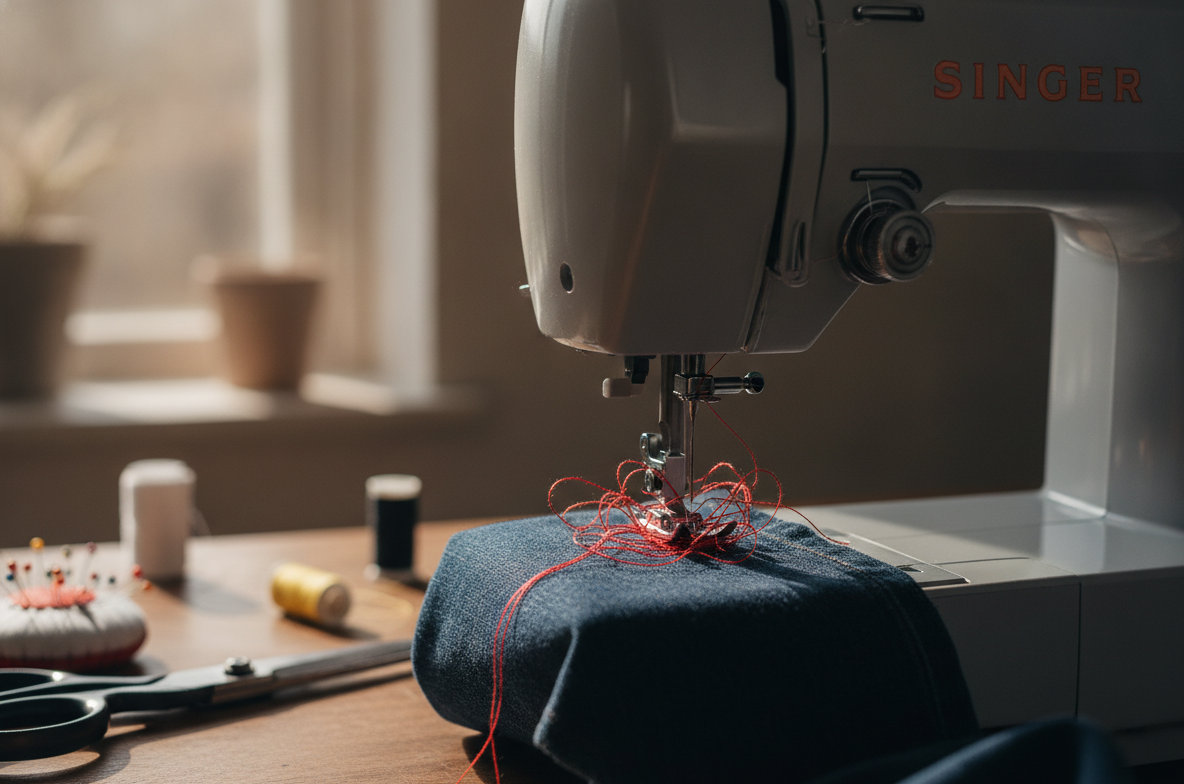
Using the correct needle for the fabric type, matching thread weight, and avoiding forcing fabric through the machine prevents undue stress. A dull or incorrect needle can cause skipped stitches, thread breakage, and even damage to the bobbin hook or needle plate. Forcing thick fabrics can strain the motor and bend the needle bar. Always consult your machine's manual for recommended settings and techniques. Using high quality thread also makes a difference, as cheap, linty threads can clog tension discs and the bobbin area, leading to performance issues and increased wear. Understanding Sewing Machine Needle Sizes Chart: Which Needle for Which Fabric is a fundamental step in proper machine operation.
Environmental Factors
Where and how a machine is stored can also affect its lifespan. Extreme temperature fluctuations, high humidity, or dusty environments can damage electronic components and cause metal parts to rust. Storing a machine in a clean, dry, climate-controlled space, covered with a dust cover, protects it from these elements. Pet hair is another common culprit, as it can get drawn into the machine and accumulate, causing blockages and overheating.
When to Repair vs. Replace Your Machine
Deciding whether to repair an ailing machine or invest in a new one depends on several factors: the cost of the repair, the age and type of the machine, and the availability of parts. If a repair costs more than half the price of a comparable new machine, replacement is often the more economical choice. For older mechanical machines, repairs are frequently simpler and parts more readily available, making repair a viable option even for significant issues. For computerized machines, especially those over 10 years old, finding replacement circuit boards or specialized electronic components can be difficult or impossible, making replacement the only practical path when major electronics fail.
Consider the emotional value of a machine. A cherished family heirloom might warrant repair regardless of cost. For a workhorse machine, the decision becomes purely practical. If a machine consistently experiences problems like thread breaking, skipped stitches, or excessive noise despite regular maintenance, it might be signaling the end of its useful life.
Maximizing Your Machine's Lifespan
Extending the life of your sewing machine involves consistent care and mindful operation. Here are practical steps:
- Read Your Manual: Understand your machine's specific maintenance requirements, including oiling points and cleaning procedures.
- Regular Cleaning: Use a small brush and vacuum to remove lint from the bobbin case, feed dogs, and tension discs after every few hours of use.
- Oiling: Follow manufacturer guidelines for lubricating your machine. Do not over-oil, and use only sewing machine oil.
- Use Correct Needles and Thread: Always match the needle size and type to your fabric and thread weight. Replace needles frequently (every 8-10 hours of sewing or after every project).
- Professional Servicing: Have your machine serviced by a qualified technician every 1-3 years, depending on usage. This includes internal cleaning, lubrication, and timing adjustments.
- Proper Storage: Store your machine in a clean, dry place, covered with a dust cover to protect it from dust, pet hair, and environmental damage.
- Avoid Forcing: Let the machine do the work. Do not pull or push fabric aggressively, which can bend needles, damage feed dogs, and strain the motor.
- Unplug When Not In Use: This protects computerized machines from power surges.
By consistently applying these practices, you can significantly extend the functional life of your sewing machine, making sure it remains a reliable tool for your creative projects for many years to come.